
What is a blog?
A blog is "an online journal or informational website displaying information in the reverse chronological order, with latest posts appearing first"
Source: https://firstsiteguide.com/what-is-blog/
A blog is "an online journal or informational website displaying information in the reverse chronological order, with latest posts appearing first"
Source: https://firstsiteguide.com/what-is-blog/
Source: https://firstsiteguide.com/what-is-blog/
What are HIV and AIDS, and what is the difference between the two?
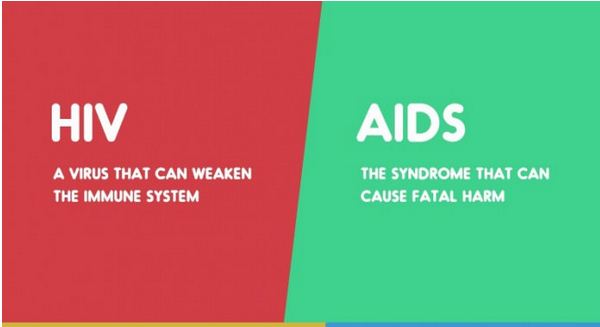
Human immunodeficiency virus, or HIV, is a serious disease that inhibits an individual's immune system. More specifically, this virus destroys a defense cell called CD4 lymphocyte, which defends the body against serious infections. It is a sexually transmitted disease, or STD, which means it can be transmitted through sexual intercourse. HIV causes a condition known as AIDS, which stands for acquired immunodeficiency syndrome. To better understand the difference between HIV and AIDS, just remember that HIV is a virus, and AIDS is a condition caused by it.
How is HIV transmitted?
HIV can be transmitted from one individual to another through unprotected sex. This means no condom is used. Additionally, this virus can be transferred by sharing needles. In general, HIV can be transmitted through blood, semen, vaginal secretions, and breast milk. Furthermore, a mother with HIV will pass this virus on to her children. However, HIV cannot be transmitted by contact with skin or sweat, spread by insects, or transferred by sharing food and drinks. There have been instances where I have seen people with this virus, and other people were not even willing to sit next to them. People with this virus are not disgusting or gross, and they cannot spread HIV to people sitting next to them.

Can HIV be cured?
Can HIV be cured?
There is no cure for HIV. Only the symptoms can be treated, but there is no way to eradicate the virus itself. The only infallible way of preventing HIV is to practice abstinence. Using a condom correctly can also stop the transfer of HIV and AIDS. Also, individuals should be careful not to share needles or exchange blood unless in certain situations. For example, blood donations are only done after extensive HIV checks on the donor's blood. However, HIV is often asymptomatic, meaning there are no symptoms. I have heard of people who live normal lives, and during an STD test, they tested positive. They went on to live normal lives; but this disease could be deadly.

Why should couples get tested for HIV/AIDS?
HIV is interesting but dangerous in the fact that many individuals with HIV are not aware of it because the symptoms are weak or nonexistent. However, it is essential that people get tested before and after sexual intercourse to maintain safety. Individuals with active sexual lives should ideally get tested when they plan to have intercourse and every month. Because there is no cure for this virus, prevention becomes very important. A healthy relationship begins with being on the same page as your partner, and getting tested for HIV and AIDS can keep a couple cognizant of the potential repercussions of unprotected sex.


What rights do individuals have to get tested for HIV and AIDS?
HIV and AIDS testing is important to ensuring that individuals do not get STDs from their partners. Teenagers do have rights to get tested without parents' consent. Specifically, in California, adolescents over the age of 12 have the right to get tested for these STDs without the knowledge of their parents. In general, people have low cost or even free options for getting tested for HIV and AIDS in California, so they must use this opportunity to make sure they do not end up with a virus or condition that will affect them for the rest of their life.


Is there a stigma or stereotype concerning individuals with HIV?
Unfair and illogical stereotypes surround individuals with HIV, when in reality, they are not very different from STD-free individuals. Some of these myths include beliefs that people with HIV are gross, and they should not be allowed to hang out with healthy individuals. Some even believe that people with HIV or AIDS are morally at fault or should feel guilty for their actions. In reality, none of these opinions are true. It is completely safe to be around people with this STD, and people who get this virus should not be put to blame. I have seen people with this infection that have been isolated and segregated due to AIDS. Instead of placing a negative stigma around individuals with HIV or AIDS, we should focus on spreading the knowledge of this important topic to make sure everyone is informed.
What are some interesting facts about HIV/AIDS?
- Throughout the world, more than 35 million people are living with HIV.
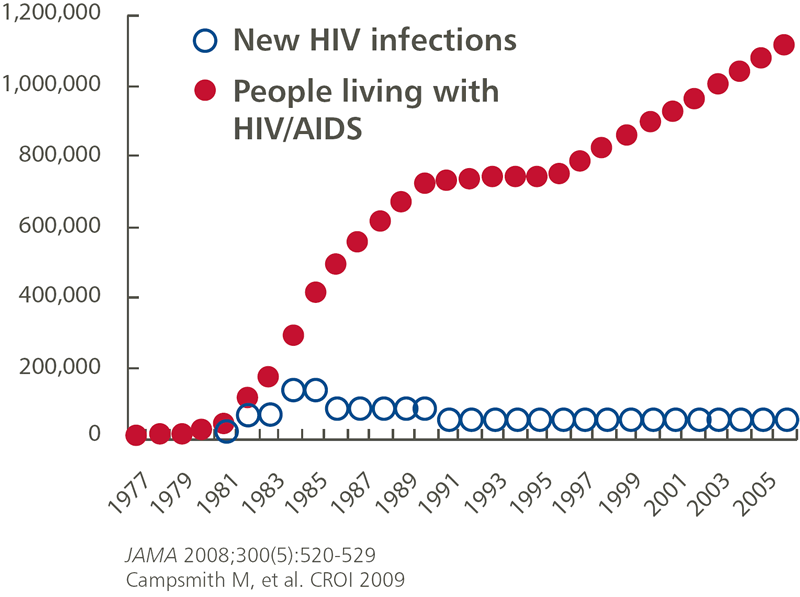
- Out of the 1.1 million people living with HIV in the United States, almost 1 in 6 are unaware they have an STD.
- A 2011 study found that 3.3 million children around the world were living with HIV.
- Someone is diagnosed with HIV in the United States every 9.5 minutes!
By: Aditya Kumar
